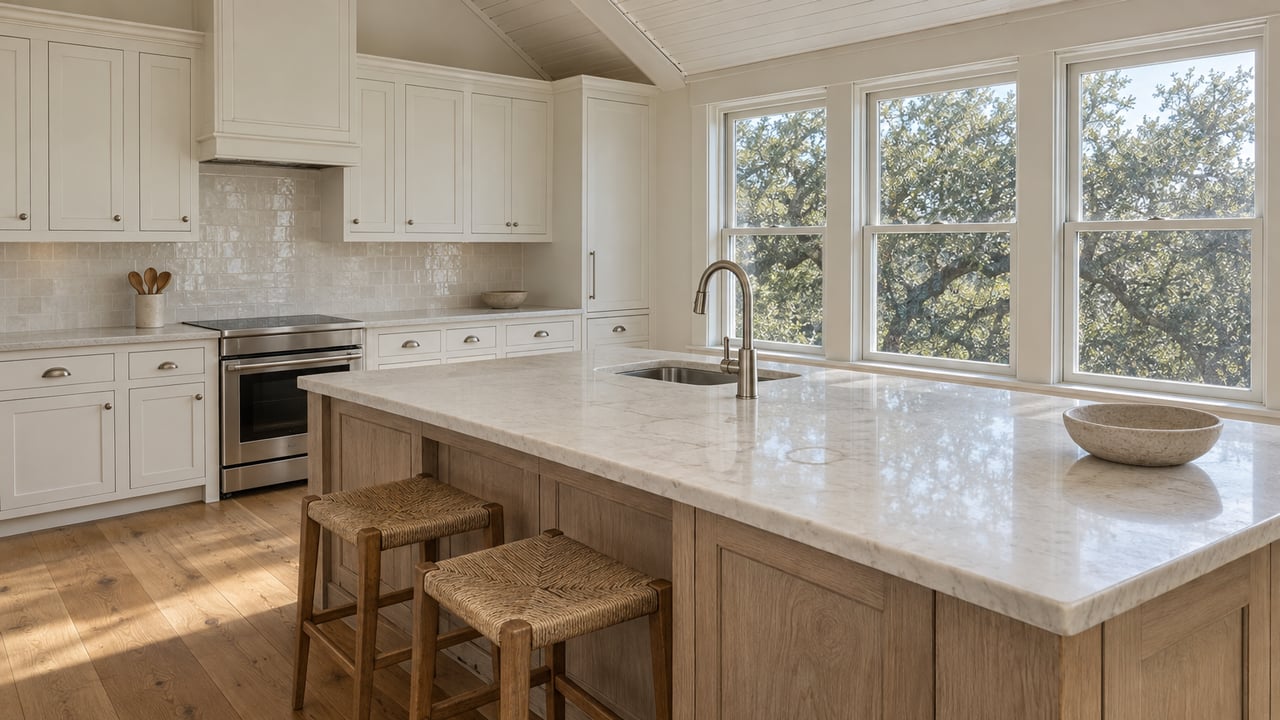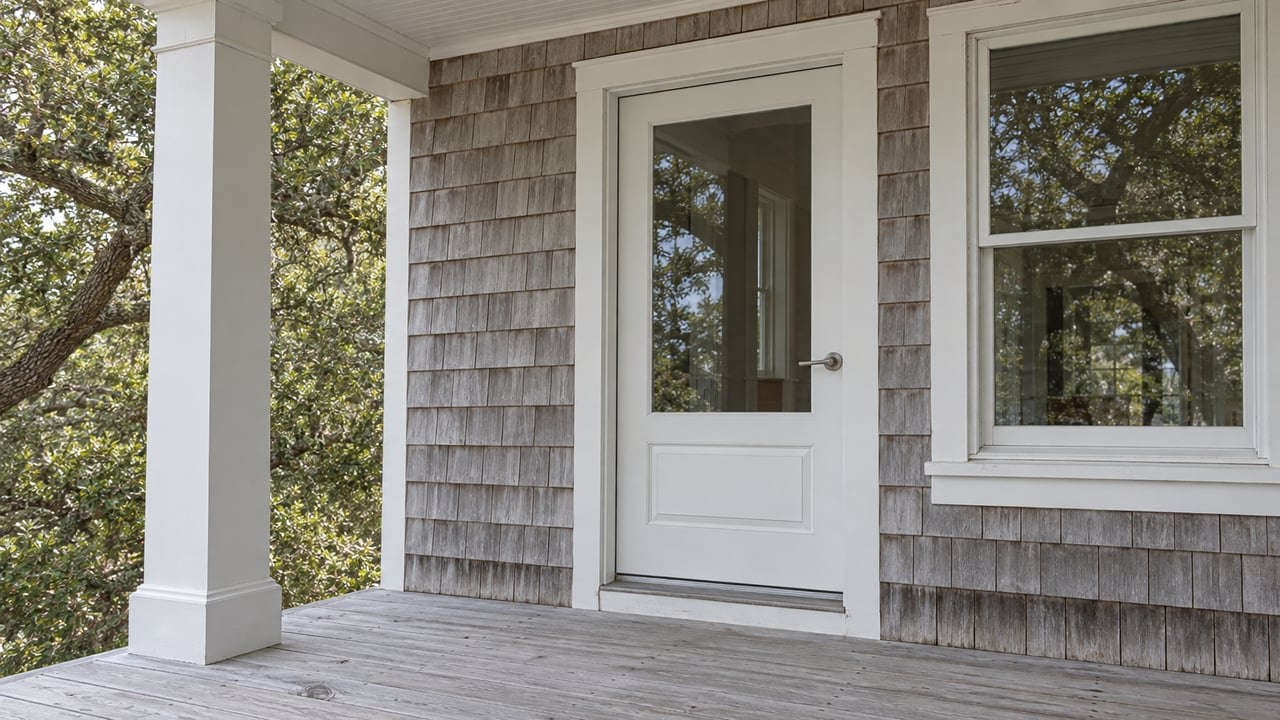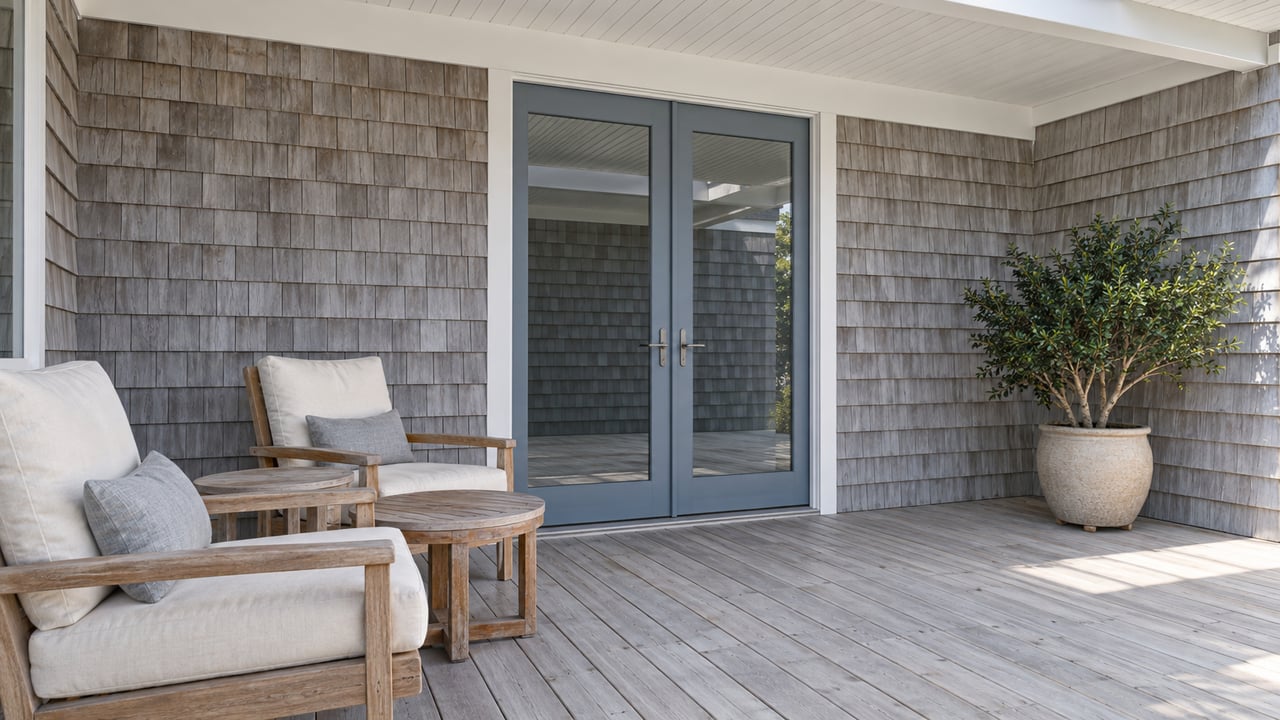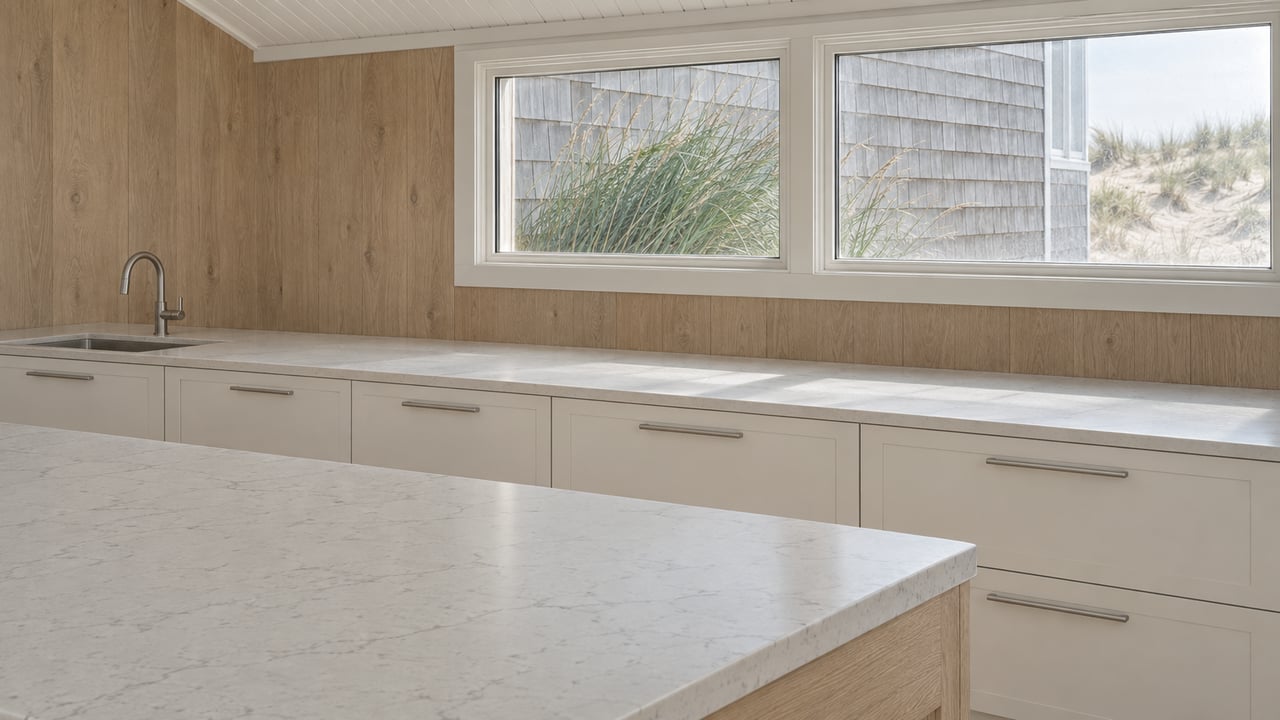
Wondering when to list your Duck home without creating chaos for guests, cleaners, and your own schedule? In a market shaped by weekly vacation rentals, heavy summer demand, and weather timing, selling is not just about price. It is also about planning. This guide will help you think through timing, prep, presentation, and marketing so you can sell with less friction and more confidence. Let’s dive in.
Why Duck’s market needs a different plan
Duck is a seasonal resort market with a small year-round population and heavy summer visitation. Housing patterns across Dare County are closely tied to weekly vacation rentals, and occupancy-tax collections show July, August, and June as the strongest months in 2024 and 2025.
That seasonal rhythm affects almost every part of a sale. You may need to work around existing bookings, limited showing windows, and turnover schedules. You also need to present your home in a way that speaks to more than one kind of buyer.
Duck’s setting adds another layer. The town is known for its sound-to-sea layout, summer events, watersports, dining, shopping, art galleries, and the boardwalk and park system connected to the commercial village. That means your home may appeal to someone looking for a vacation property, an investment-minded purchase, or a full-time coastal retreat.
Time your listing around rentals
Start with the booking calendar
Many Outer Banks vacation homes are booked weekly or for partial-week stays. Larger summer homes are often reserved nine to twelve months ahead, especially for trips between June and September.
If your home has a busy rental history, those long booking windows matter. A strong selling plan usually starts with a clear look at confirmed reservations, turnover dates, and any periods when access will be easier.
Consider lower-friction launch windows
Because summer is so active, listing outside peak turnover periods may create a smoother showing schedule. Outer Banks tourism guidance notes strong shoulder-season demand in April to May and October to December, which can mean more flexibility for access and less disruption than the busiest summer weeks.
That does not make shoulder season the right answer for every home. It simply means your timing should reflect the property’s booking pattern, condition, and likely buyer pool.
Coordinate closely with the property manager
In Duck, beach access is private, and there is no public parking at beach accesses. The town directs visitors to check with the HOA or rental company for beach-access questions, which makes property manager coordination especially important during a sale.
If your home is in a rental program, your property manager can help with showing logistics, guest communication, and access details. In a market like Duck, that kind of coordination is not optional. It is central to keeping the process organized.
Build in a weather backup plan
Atlantic hurricane season runs from June 1 through November 30, with peak activity typically in August through October. If you plan to list in late summer or fall, you should think ahead about weather-related delays.
That may include backup dates for photography, inspections, and showings. A little flexibility up front can help you avoid last-minute stress later.
Gather key documents before listing
Build a clean listing file
Before your home goes live, pull together the records a buyer is most likely to ask for. In Duck’s weekly-rental environment, clear documentation helps buyers understand how the home has been used and how access works.
Helpful records may include:
- Rental calendars
- Lease obligations
- Occupancy-tax records
- HOA documents
- Insurance and flood information
- Maintenance receipts
- Rental-management paperwork
When these materials are organized early, buyers can review the basics faster. That can reduce hesitation and make the transaction feel more straightforward.
Prepare for a smooth handoff
If your property has been part of a rental program, handoff planning matters. Weekly stays create fast turnover cycles, so your pre-listing prep should match that pace.
A practical plan may include:
- Confirming turnover dates with your manager
- Scheduling a deep cleaning right after guest departure
- Checking that linens, furnishings, and outdoor spaces are photo-ready
- Making sure listing photos reflect the home’s current condition
In a vacation market, buyers notice when a home feels clean, current, and accurately represented. Good prep supports confidence.
Keep tax records easy to explain
Dare County’s occupancy tax is 6%. If your home has rental history, buyers may want to know how tax handling worked and where those records are stored.
You do not need to overcomplicate that part of the conversation. You simply want the paperwork to be easy to find and easy to understand.
Focus on the features buyers notice first
Highlight outdoor living
In Duck, some of the most important selling features are the ones that support beach living. Buyers often respond first to the spaces that help them picture easy coastal use, whether that means vacation stays, extended visits, or year-round enjoyment.
Strong features to highlight may include:
- Decks and porches
- Pools and hot tubs
- Outdoor showers
- Storage for beach gear
- Dune walkovers
- Sound views or sunset views
These spaces help tell the lifestyle story of the property. They also photograph well when they are clean, open, and uncluttered.
Treat water access as a lead amenity
If your property has private or HOA water access, that should be featured clearly. Duck’s resilience planning describes HOA water access points as a major asset that is highly valued by both residents and visitors.
That does not mean overstating what the property offers. It means making sure buyers understand the access that exists and how it fits into daily use of the home.
Freshen the exterior
Exterior presentation matters in any market, but it matters even more in a coastal setting. Beach rules in Duck emphasize private access and designated dune crossover use, so buyers should be able to understand paths and access points quickly.
A few practical updates can make a big difference:
- Remove extra outdoor clutter
- Freshen railings and trim
- Clean entry steps and walkways
- Make access paths obvious in photos and in person
- Tidy beach gear storage areas
These are simple changes, but they help the home feel easier to own and easier to enjoy.
Show storm readiness and upkeep
Duck’s resilience planning identifies flooding, storm surge, sea level rise, and heavy summer traffic as local vulnerabilities. For sellers, that is a good reminder to pay attention to exterior upkeep before listing.
You do not need a technical presentation. You do want the home to show as well-maintained, with visible attention to drainage, outdoor condition, and general storm readiness.
Market to both types of buyers
Speak to vacation-home buyers
Some buyers will see your home first as a coastal getaway or a property with rental potential. For that audience, the value story often centers on private access, outdoor living, convenient management, and the ability to fit into a weekly rental market.
If your home has rental history, keep the story factual. Share actual occupancy or income information only when it is supported by real records.
Speak to year-round buyers too
Other buyers may be looking for a home they can use beyond peak vacation weeks. Duck’s boardwalk, park, kayak and canoe launch, boat pier, picnic shelter, playground, trails, shopping, dining, and community events all support everyday usability.
For those buyers, the story may be less about rental timing and more about comfort and function. Walkability, flexible rooms, low-maintenance finishes, and easy outdoor living can all matter.
Position the home for both uses
The strongest marketing in Duck often shows a home as both a vacation asset and a livable coastal retreat. That dual message reflects the town itself, which blends visitor energy with features that support daily life.
This is where thoughtful presentation matters. A home that feels polished, functional, and true to its setting can connect with a wider buyer pool.
Create a practical selling checklist
Before you list, it helps to work through a simple plan that respects Duck’s seasonal rhythm. When the basics are handled early, the rest of the process tends to move more smoothly.
Use this checklist as a starting point:
- Review your rental calendar and future bookings
- Talk with your property manager about showing logistics
- Gather HOA, insurance, tax, and maintenance records
- Schedule cleaning and turnover prep
- Refresh outdoor areas and access paths
- Plan photography around weather and guest occupancy
- Decide how the home should be positioned for likely buyers
- Prepare factual rental information if records are available
A well-timed launch can help you protect presentation, reduce disruptions, and attract the right buyers.
Selling in Duck is rarely a one-size-fits-all process. The right strategy depends on your rental calendar, your home’s features, and the audience most likely to respond. If you want a plan tailored to your property and your timing, Melissa Morgan can help you prepare, position, and market your home with clear local guidance.
FAQs
When is the best time to sell a home in Duck, NC?
- In Duck, timing often depends on your rental calendar, guest bookings, and weather considerations rather than one universal best month.
What documents should you gather before selling a Duck vacation rental?
- It helps to organize rental calendars, lease obligations, occupancy-tax records, HOA documents, insurance and flood information, maintenance receipts, and rental-management paperwork.
How should you prepare an occupied rental home for sale in Duck?
- You should coordinate turnover dates, schedule deep cleaning after guest stays, and make sure photos and showings reflect the home’s actual current condition.
What features matter most when marketing a Duck coastal home?
- Buyers often focus on outdoor living areas, pools, hot tubs, outdoor showers, beach gear storage, dune walkovers, views, and any private or HOA water access.
How do you market a Duck home to both vacation and year-round buyers?
- The best approach is to present the home as both a useful coastal retreat and, when supported by records, a property with proven rental history.