Wondering whether Southern Shores oceanfront or soundside is the better fit? In this part of the Outer Banks, that choice shapes more than your view. It affects how you access the water, how much privacy you have, and what kind of upkeep and long-term costs you should expect. If you are trying to match your lifestyle with the right location in Southern Shores, this guide will help you sort through the tradeoffs. Let’s dive in.
Southern Shores feels different
Southern Shores has a quieter, more residential character than many nearby Outer Banks towns. It is known for its woodsy setting, maritime forest feel, and a less commercial atmosphere than some of its neighbors.
That matters when you compare oceanfront, oceanside, and soundside homes here. You are not just choosing between water views. You are choosing how you want to live day to day in a town with limited access points, a relaxed pace, and fewer in-town dining and shopping options.
Oceanfront, oceanside, and soundside
Oceanfront means direct beach living
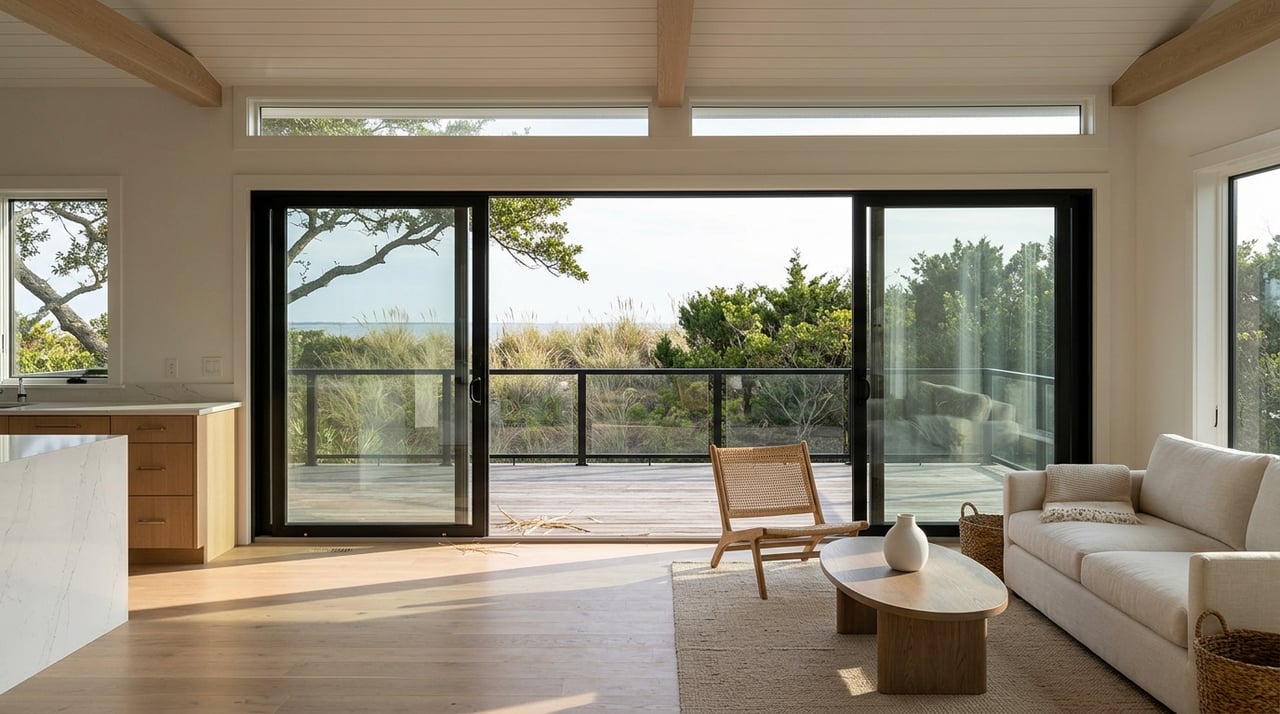
If you want the shortest possible path to the Atlantic and direct ocean views, oceanfront is the clearest choice. For many buyers, that daily connection to the beach is the main draw.
At the same time, oceanfront ownership comes with the highest exposure to coastal conditions. FEMA notes that coastal areas can face storm surge, waves, and erosion, and Southern Shores actively maintains a beach nourishment and monitoring program to help reduce storm damage and long-term erosion along the shoreline.
Oceanside offers a middle ground
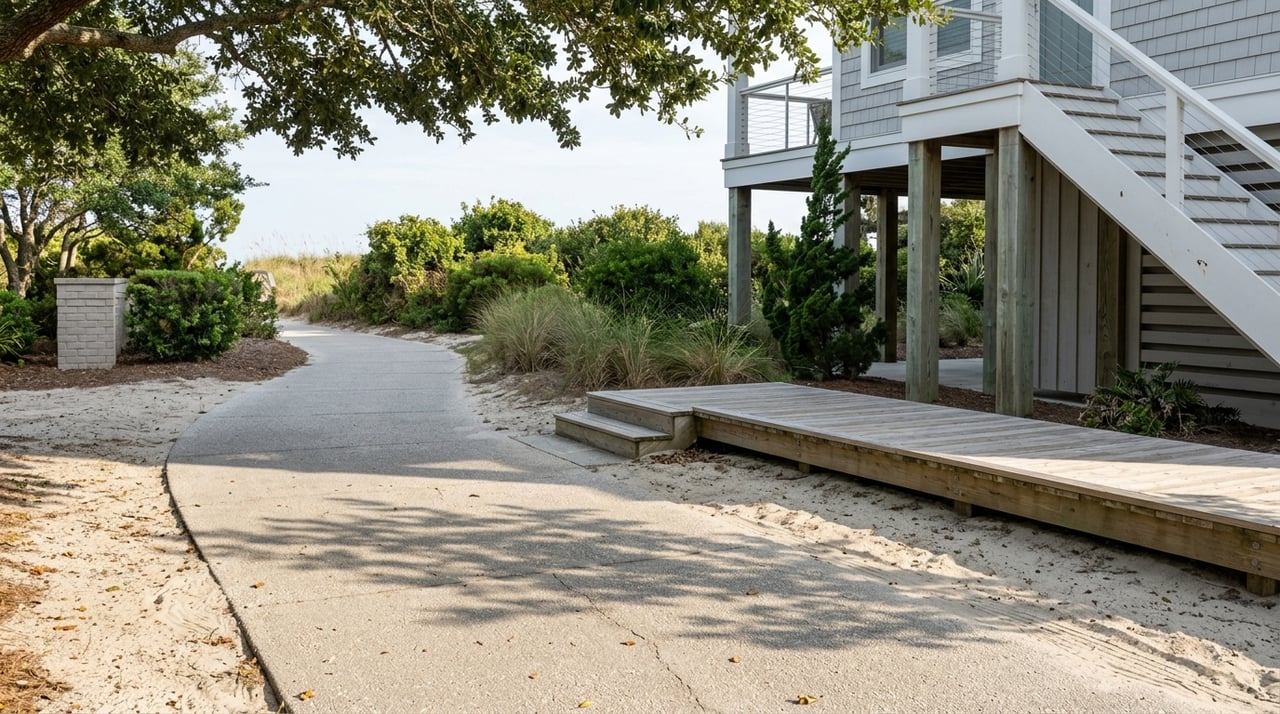
Oceanside homes are typically close to the beach without sitting directly on the oceanfront. In Southern Shores, that can mean a more buffered setting while still benefiting from the town’s beach-access walkways and mixed-use walking and biking path.
For many buyers, this is the practical compromise. You can stay close to the beach experience without taking on the same level of direct beachfront exposure and upkeep that often comes with oceanfront ownership.
Soundside leans quiet and private
Soundside areas in Southern Shores tend to feel calmer and more tucked away. The town’s quiet sound-adjacent pockets and canal-connected recreation areas support that more residential rhythm.
This side of town often appeals to buyers who value privacy and a less beach-driven daily routine. It can also fit buyers who prefer Southern Shores for its understated character, including older homes and classic Flat Tops rather than a more resort-style feel.
Beach access is a real factor
In Southern Shores, access matters almost as much as location. The town says beach access parking is limited to town-owned lots, property owners can receive permits, there are only 135 town beach-parking spaces, and guest passes are not issued.
That means your real-life beach routine may look different than you expect. If you are considering oceanside or interior streets, it is worth thinking carefully about whether you want to walk, bike, or drive to access points and how often you expect guests to join you.
Oceanfront simplifies beach days
For buyers who plan to use the beach often, oceanfront offers the most direct convenience. You are not depending on parking availability or coordinating around access logistics in the same way.
That simplicity can be a major lifestyle advantage, especially if beach time is central to why you are buying in Southern Shores in the first place.
Oceanside depends on your routine
Oceanside can still feel very convenient, but the exact experience depends on the home’s position relative to beach walkways and the path network. Some buyers love that balance because they can walk or bike to the beach while living a bit farther from the dune line.
If you picture quick morning walks to the ocean, this category deserves a close look. If you want absolute ease for every beach day, oceanfront may still be the better fit.
Soundside access works differently
Southern Shores has no public sound access points. Soundside parks, marinas, and canal-connected areas are maintained largely through civic associations, so buyers on the soundside often rely on private or association-based access.
That makes due diligence especially important. If sound access is part of your plan, you will want to understand exactly what kind of access comes with a specific property and how it is maintained.
Privacy and daily lifestyle
One of the biggest differences between oceanfront and soundside in Southern Shores is how each setting feels when you are not actively on the water. Your surroundings, traffic patterns, and pace of life can feel very different depending on where you buy.
Choose oceanfront for beach-first living
Oceanfront homes usually fit buyers who want the Atlantic to shape their day. If your ideal routine includes sunrise views, easy beach time, and a strong connection to the shoreline, oceanfront naturally supports that lifestyle.
That said, you should expect the setting to feel more exposed to the elements. The benefit is access and view. The tradeoff is greater ownership complexity.
Choose soundside for a quieter rhythm
Soundside homes often appeal to buyers who want a more peaceful residential feel. In Southern Shores, that can mean quieter pocket neighborhoods, canal areas, and a little more separation from the direct beach environment.
If you are relocating full-time, planning longer stays, or simply want a calmer day-to-day setting, soundside may feel more aligned. For some buyers, that quieter rhythm is the whole point of choosing Southern Shores.
Insurance and flood costs matter
This is one of the most important practical differences between oceanfront and soundside. FEMA notes that coastal flood zones can include VE, AE, and AO designations, and that flood insurance costs can depend on flood zone, structure design and age, coverage amount, and elevation.
In simple terms, oceanfront buyers should expect to study flood exposure very carefully. But soundside should not be treated as risk-free, especially on lower-lying lots where flood exposure can still be meaningful.
Oceanfront often carries higher exposure
Because oceanfront is closest to storm surge, waves, and erosion, it is usually where buyers should expect the most direct coastal exposure. That does not mean every oceanfront property is the same, but it does mean insurance and elevation details deserve close attention.
Long-term ownership costs can be shaped by more than the purchase price. They may also reflect flood zone, building design, and how the home sits on the lot.
Soundside still deserves careful review
Some buyers assume soundside automatically means lower risk. In reality, Southern Shores is also dealing with high-tide flooding, heavy rainfall, drainage issues, erosion, storm surge, and rising water levels, according to the town’s 2026 resilience update.
That is why property-specific review matters on either side of town. A quieter setting can still come with water-related considerations that affect both budgeting and peace of mind.
Maintenance is part of the decision
In a coastal market like Southern Shores, maintenance should be part of your comparison from the start. Dare County Extension notes that Outer Banks homeowners deal with sandy soils, high winds, flooding, and salt spray, and recommends salt-tolerant landscaping even near the oceanfront and along the sound.
FEMA’s coastal construction guidance also highlights the wear created by wind, moisture, and salt-laden air. Those conditions can affect exterior materials, landscaping, and your ongoing maintenance plan.
Oceanfront usually means more upkeep
If you buy oceanfront, you should expect the harshest combination of salt air, wind, and direct shoreline exposure. That can influence how often exterior materials need attention and how carefully you approach long-term property care.
For some buyers, that is well worth it for the location. The key is going in with realistic expectations.
Soundside is not no-maintenance
Soundside homes may feel more sheltered in some cases, but they still sit in a coastal environment. Salt-tolerant landscaping and smart exterior maintenance still matter here.
This is another reason Southern Shores works best for buyers who appreciate the coast and are prepared for what coastal ownership requires. The setting is beautiful, but it does ask something back.
Think beyond the house
Southern Shores is not a town where everything is clustered in a busy commercial core. The tourism authority says there are only a few restaurants at either end of town, and many shopping needs are met nearby in Kitty Hawk.
That can be a plus if you want a more residential setting. It also means you should think honestly about how often you want quick access to groceries, coffee, and dining when comparing one part of town to another.
How to choose the right side
If you are deciding between oceanfront, oceanside, and soundside in Southern Shores, it helps to focus on a few practical questions:
- How often do you expect to use the beach?
- Do you want direct access, or are you comfortable walking or biking to it?
- How important are privacy and a quieter residential feel?
- What level of flood exposure and insurance cost fits your budget?
- How much exterior upkeep are you comfortable taking on?
- Do you want to be near the beach every day, or simply near the coast in a more relaxed setting?
For many buyers, the answer becomes clear once they stop thinking only about views. In Southern Shores, the better choice is usually the one that best matches your daily habits, your carrying-cost comfort level, and the ownership experience you want.
If you want a calm, locally grounded conversation about which part of Southern Shores fits your goals, Melissa Morgan is here to help.
FAQs
What does oceanfront living in Southern Shores offer?
- Oceanfront living in Southern Shores offers direct Atlantic views and the shortest path to the beach, but it also comes with the highest exposure to storm surge, waves, erosion, and coastal maintenance.
What is the difference between oceanside and oceanfront in Southern Shores?
- Oceanside homes are generally close to the beach without sitting directly on the shoreline, which can give you beach convenience with a bit more buffer from the most immediate ocean exposure.
What should buyers know about soundside access in Southern Shores?
- Southern Shores has no public sound access points, so soundside buyers often depend on private or civic-association access tied to the specific property or neighborhood.
What should buyers know about beach parking in Southern Shores?
- The town says there are 135 town beach-parking spaces, permits are available to property owners for town-owned lots, and guest passes are not issued, so parking access is limited.
How do flood insurance costs vary for Southern Shores homes?
- FEMA says flood insurance costs can vary based on flood zone, elevation, structure design and age, and coverage amount, which is why both oceanfront and lower-lying soundside homes should be reviewed carefully.
How much maintenance should buyers expect in Southern Shores?
- Buyers should expect ongoing coastal upkeep because Outer Banks homes face sandy soils, high winds, flooding, and salt spray, with oceanfront homes typically experiencing the heaviest exposure.