Thinking about buying a vacation rental in Duck? You are not just choosing a beach house. You are weighing guest appeal, access, seasonality, carrying costs, and coastal due diligence in one of the Outer Banks’ most distinct markets. If you want a clearer picture of what drives value and what deserves a closer look before you buy, this guide will walk you through it. Let’s dive in.
Why Duck Feels Different
Duck is a small coastal town with a unique setup, and that matters when you are buying for rental performance. The town is about 2.32 square miles, includes roughly seven miles of Atlantic shoreline, and offers a visitor experience shaped by beach time, walkability, and the soundside boardwalk.
Unlike some beach markets, Duck does not own or maintain public beach access locations. Beach access is limited to residents, renters, and guests through privately owned and maintained access points, and the town does not allow parking along state roads or offer public parking at beach accesses. That means access rights, nearby crossovers, and practical parking should be part of your value analysis from day one.
Beach Access Can Affect Value
In Duck, beach proximity alone does not tell the whole story. A home may be close to the ocean on a map, but if access is less convenient or parking is limited, the guest experience can feel very different.
Before you buy, confirm exactly how guests would reach the beach. You will want to understand whether the property has deeded access, where the nearest crossover is, and how parking works for the home itself. In a market built around weekly stays, those details can shape reviews, repeat bookings, and overall appeal.
Walkability Matters In Duck
Duck’s Town Park and boardwalk are major parts of the local lifestyle. The 11-acre park includes trails, open green space, soundside views, a kayak and canoe launch, an amphitheater, a playground, picnic shelter, and transient boat piers.
The Duck Trail is a six-mile multi-use path that runs the length of town and connects with the nearly mile-long boardwalk. For many guests, being able to walk or bike to shops, dining, sunsets, and events is a real advantage, especially near Duck Village.
What Guests Usually Want
Duck’s vacation rental inventory points to a family-focused market. AirROI data shows that 98.1% of active listings are entire home or apartment listings, 74.2% are houses, 77.1% have three or more bedrooms, and 64% can host eight or more guests.
That tells you something important about demand. In Duck, many stays are built around family groups and multigenerational trips rather than small couples getaways. Layout, sleeping capacity, and gathering space often matter more than compact efficiency.
Layout Features That Fit The Market
When you tour homes, think beyond finishes and décor. Ask yourself how easily a group can spread out, gather, cook, dine, and unload after a beach day.
Features commonly highlighted in local rental listings include:
- Open-concept great rooms
- Multiple dining areas
- Rec rooms or game spaces
- Bunk rooms or flex sleeping spaces
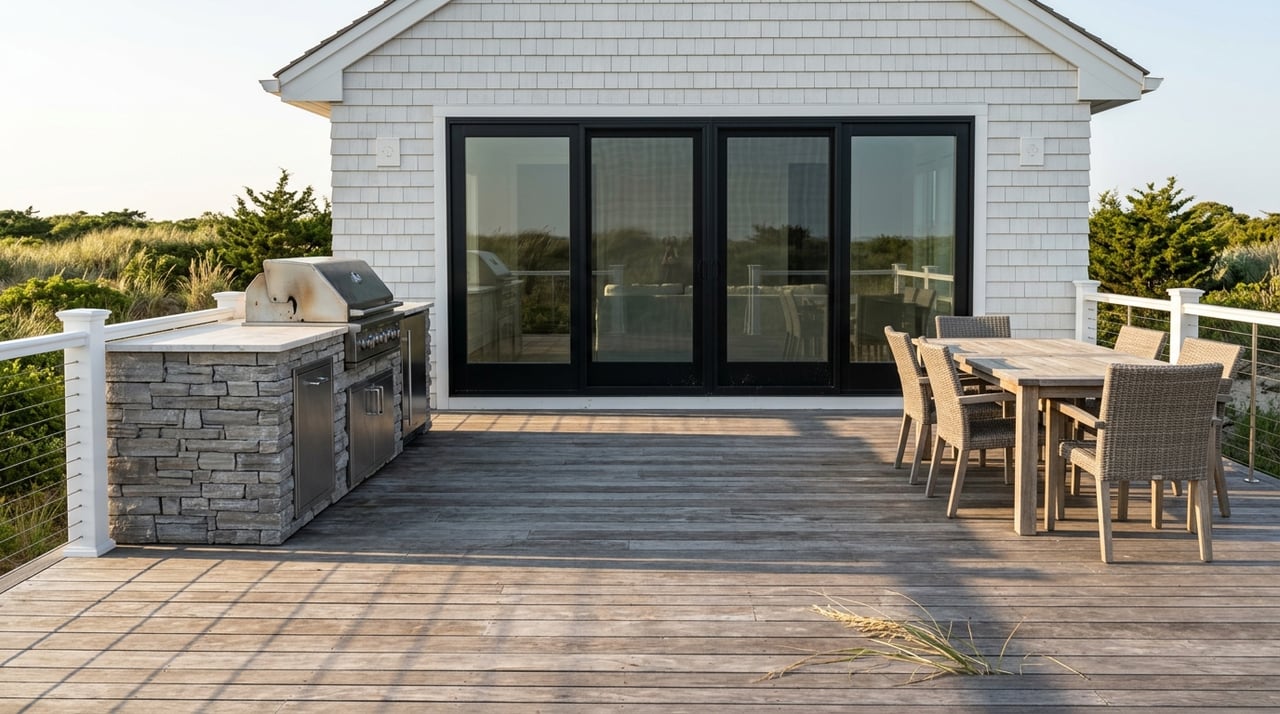
- Private pools
- Hot tubs
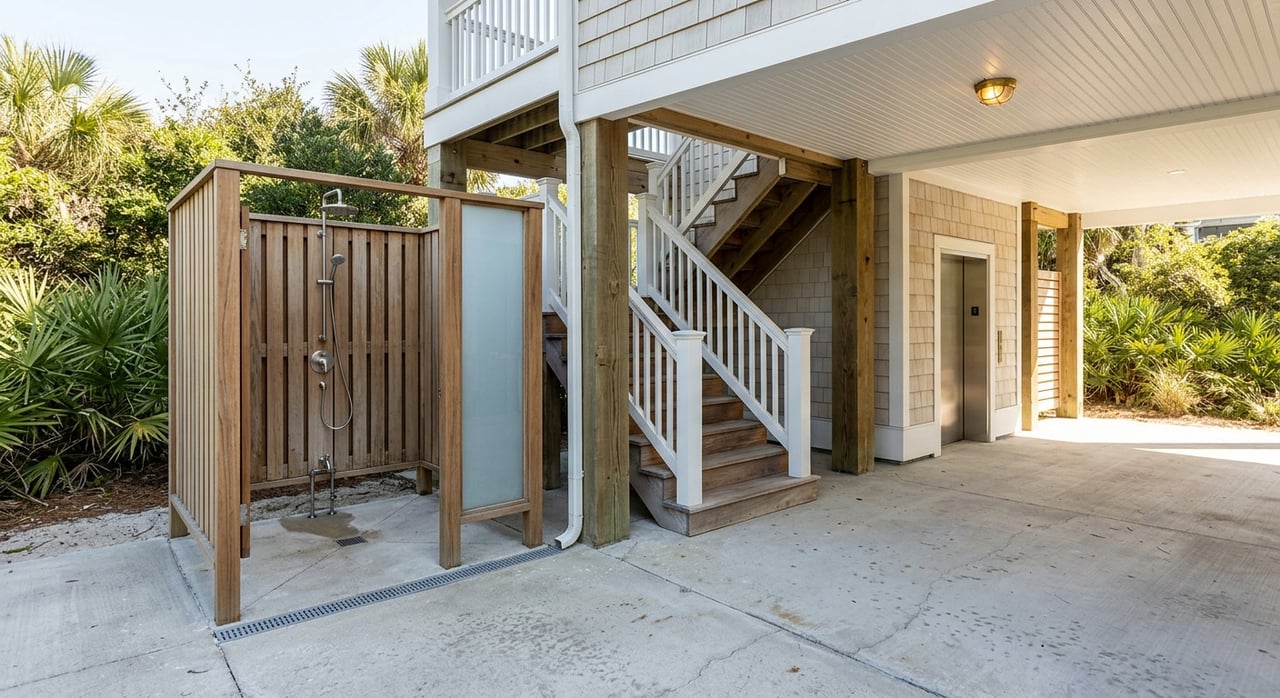
- Elevators
- Ample parking
- Short walks to beach access or town
- Dog-friendly setups
- EV charging in some cases
In other words, layout is not just about comfort. In Duck, it can be a revenue lever.
Essential Amenities To Prioritize
Some amenities are simply expected. AirROI identifies TV, air conditioning, Wi-Fi, free parking, smoke alarms, heating, kitchen access, and dishes and silverware among the essential basics.
It also points to several features tied to stronger revenue performance, including coffee makers, children’s playrooms, children’s bikes, dishwashers, refrigerators, washers, dryers, ovens, microwaves, and even boat slips in some cases. A home that is easy for guests to use tends to be easier to book.
Premium Homes Often Stack Amenities
At the higher end of Duck’s market, top-performing examples tend to be oceanfront or semi-oceanfront homes with six or more bedrooms and a strong amenity package. Pools, hot tubs, and game-oriented spaces show up often in those standout properties.
AirROI notes one top example at about $415,755 in trailing twelve-month revenue and another strong performer around $151,013. Those are outliers, not promises, but they do show the type of property and amenity mix that can outperform the average listing.
Seasonality Is A Big Part Of The Math
If you are modeling income, it is important to understand that Duck is strongly summer-driven. AirROI estimates average annual revenue at about $52,934 per active listing, with an average nightly rate of $489, occupancy of 41.7%, and RevPAR of $246.
Those numbers are useful as broad market benchmarks, not guarantees. The same data shows an average booking lead time of 81 days, with July as the strongest revenue month and January as the weakest.
Dare County occupancy-tax collections tell a similar story. In FY 2024-25 collections, July brought in about $10.9 million countywide and August about $8.8 million, while January was about $1.0 million and February about $0.85 million.
What That Means For You
You should underwrite a Duck vacation rental with realistic seasonality in mind. A strong summer can carry much of the year, while winter performance is usually softer.
That means your budget should account for:
- Peak-season reliance
- Lower off-season occupancy
- Turnover and cleaning costs
- Maintenance between stays
- Insurance and flood-related costs
- Management fees if you hire a professional manager
Professional Management Is Common
Duck is a competitive rental market, and many owners use professional support. AirROI shows that 39.7% of listings are professionally managed, 43.8% are Superhosts, and 95.5% charge cleaning fees, with average cleaning fees around $401.
The average stay is about six nights, which lines up with the area’s weekly vacation pattern. Short, high-demand stays mean systems matter, from pricing and guest communication to cleanings and maintenance response.
If you plan to hire a manager, compare proposals carefully. Service quality, response times, turnover systems, and pricing discipline can all affect how your home performs.
Soundside Homes Have Their Own Appeal
Oceanfront is not the only story in Duck. The town’s soundside amenities also play a real role in guest appeal and owner enjoyment.
The town notes three public sound access points, including a kayak and canoe launch and two day-use boat piers, though there is no public soundside beach. Homes near the park, boardwalk, or launch can appeal to guests who value sunsets, paddling access, and a walkable village setting as much as quick beach time.
Pet-Friendly Can Be A Selling Point
Duck is also known for being pet-friendly. Town rules allow dogs on the beach year-round, though dogs must be controlled and leash rules still apply across town.
For buyers, that can make a pet-friendly property more marketable. Features like durable finishes, fenced outdoor areas where permitted, and easy cleanup zones can help support that use and make the home easier to manage over time.
Flood Risk And Coastal Due Diligence Matter
Every coastal purchase deserves careful review, and Duck is no exception. Dare County advises buyers to review flood zones, ask about elevation certificates, and remember that a standard homeowners policy does not cover flood damage.
The county also notes that coastal erosion and CBRS-related issues can affect some properties. Before your purchase moves forward, it is wise to review flood mapping, ask about historical flooding, and get insurance quotes that reflect the property you are considering.
Duck’s shoreline is also actively managed. Dare County reports that the town’s 2023 beach nourishment project covered about 1.6 miles of shoreline from the Army Corps Pier north to Skimmer Way. That does not remove coastal risk, but it does show how shoreline condition and long-term maintenance are part of ownership here.
Taxes And Carrying Costs Need A Full Review
A vacation rental’s gross income does not tell you enough on its own. You need to understand the full ownership picture before you decide what feels sustainable.
Dare County’s occupancy tax is 6% of gross receipts from transient rentals and is generally filed monthly by the 20th of the following month. The county also notes a 1% land-transfer tax on the consideration or value conveyed, along with an additional excise tax of $1 per $500.
Alongside those costs, you should model:
- Mortgage payments
- Homeowners insurance
- Flood insurance if needed
- HOA dues, if applicable
- Utilities
- Repairs and maintenance
- Cleaning and linen turnover
- Management fees
Having a CPA or tax professional review the numbers can help you move forward with a more accurate picture of cash flow.
A Practical Buying Checklist
If you are narrowing your options in Duck, keep this checklist close:
- Verify private beach or sound access
- Confirm nearby crossovers and parking logistics
- Look closely at 3- to 6-bedroom layouts with strong gathering space
- Prioritize guest-friendly amenities like Wi-Fi, laundry, parking, and outdoor features
- Model summer-heavy income patterns conservatively
- Review occupancy taxes, transfer costs, and likely cleaning expenses
- Check flood zones and ask for elevation certificate details when available
- Get insurance quotes early in the process
- Compare management options if you do not plan to self-manage
The Right Duck Rental Is About More Than The House
A strong purchase in Duck usually comes down to fit. You want a property that matches the town’s guest patterns, supports a smooth vacation experience, and makes sense for your goals as an owner.
That may mean oceanfront views and a pool, or it may mean a well-located soundside home near the boardwalk with room for family groups and easy access to town. The best choice is the one that balances location, access, amenities, risk, and realistic carrying costs.
If you are thinking about buying a vacation rental in Duck, local context matters. For thoughtful guidance on Outer Banks neighborhoods, rental potential, and the details that can shape a smarter purchase, connect with Melissa Morgan.
FAQs
What should you verify before buying a vacation rental in Duck?
- You should verify beach or sound access, nearby crossovers, parking setup, flood-zone details, likely insurance costs, and whether the layout and amenities fit Duck’s weekly rental market.
What types of homes perform best as Duck vacation rentals?
- Market data points to larger homes that serve family or multigenerational groups well, especially properties with three or more bedrooms, open gathering spaces, and popular extras like pools, hot tubs, and ample parking.
How seasonal is the vacation rental market in Duck?
- Duck is strongly summer-focused, with July typically the strongest month and winter months much softer, so you should budget with peak-season reliance in mind.
Are soundside homes in Duck worth considering for vacation rental buyers?
- Yes, soundside homes can appeal to guests who value sunsets, paddling access, walkability, and proximity to the Town Park and boardwalk, even if they are not oceanfront.
What taxes matter when buying a vacation rental in Duck?
- Dare County notes a 6% occupancy tax on transient rental gross receipts, generally filed monthly, plus a 1% land-transfer tax and an additional excise tax of $1 per $500 at conveyance.
Why is beach access such a big issue in Duck?
- Beach access matters because Duck does not provide public beach parking and access is through privately owned and maintained points, so convenience and legal access can directly affect guest experience and property value.